
Personality Disorder Treatment in Laguna Beach, CA
Personality disorders can affect how you think, feel, and relate to others — often leading to intense emotions, unstable relationships, and impulsive or self-destructive behaviors. At Laguna Beach Detox, we provide structured, evidence-based treatment designed to help individuals regain emotional stability, build healthier coping skills, and move forward with confidence.
Our program is especially effective for individuals experiencing co-occurring substance use, emotional dysregulation, or high-risk coping behaviors, offering integrated mental health and addiction support in a safe, supportive setting.
Our approach includes:
Dialectical Behavior Therapy (DBT-informed care)
Trauma-informed therapy and emotional regulation skills
Psychiatric evaluation and medication management
Dual diagnosis treatment for co-occurring substance use
Step-down planning and continued outpatient support
Insurance verification and admissions support
Personality Disorder Treatment in Laguna Beach, CA
What is Personality Disorder?
A personality disorder is a mental health condition that affects how a person thinks, feels, and acts over a long period of time.
It can change how someone sees themselves, other people, and the world. People with a personality disorder may struggle with strong emotions, relationships, and coping with stress. These patterns are not just “moods” or short phases—they are ongoing and can cause real problems at home, work, and in the community. With proper treatment and support, people with personality disorders can learn new skills and improve their lives.
Who This Program Is Best For
This program may be a strong fit if you or a loved one:
Struggles with intense emotions, mood swings, or impulsivity
Experiences unstable relationships or fear of abandonment
Engages in self-harm, substance use, or other high-risk behaviors
Has been diagnosed with or suspects borderline personality disorder (BPD) or another personality disorder
Needs structured support after detox or higher levels of care
Is looking for integrated treatment for both mental health and addiction

Signs and Symptoms of Personality Disorders
Personality disorders can affect the way a person thinks, feels, and acts. These patterns often start in the teen years or early adulthood and can make life feel harder in relationships, work, school, and daily routines.
Common Signs and Symptoms
Here are some common signs of personality disorders. A person may have a few, or many:
- Strong fear of rejection, criticism, or being left alone
- Trouble trusting others, even close family or friends
- Big mood shifts that feel fast or hard to control
- Feeling empty, numb, or “not like myself”
- Intense anger, irritation, or emotional outbursts
- Acting quickly without thinking (impulsivity)
- Risky choices (spending, sex, substances, dangerous driving)
- Black-and-white thinking (“all good” or “all bad”)
- Feeling misunderstood or like people are always against you
- Trouble keeping steady relationships
- Frequent conflict with friends, family, partners, or coworkers
- Feeling overly sensitive to feedback or perceived disrespect
- Pulling away from others to avoid shame, embarrassment, or pain
- Strong need for control or perfection (or feeling overwhelmed when things aren’t “right”)
- Trouble managing stress, change, or uncertainty
How Personality Disorder Symptoms Can Show Up Day to Day
Personality disorders don’t look the same for everyone. Symptoms may show up in different areas of life:
In relationships
- Getting close fast, then pulling away
- Feeling “tested” by small changes (late texts, tone of voice, cancelled plans)
- Repeating patterns like arguing, breaking up, or feeling betrayed
- Feeling jealous, fearful, or unsure of where you stand
At work or school
- Trouble with authority, rules, or feedback
- Feeling targeted or criticized even when others don’t mean it that way
- Changing goals often, or struggling to stay consistent
- Stress reactions that make it hard to focus or perform
Inside your own mind
- Negative self-talk and deep shame
- Feeling like your emotions control you
- Feeling disconnected from yourself or others
- Switching between confidence and self-doubt
hen Symptoms Might Be a Sign You Need Help Now
Some signs mean you should reach out for support quickly:
- Thoughts of self-harm or suicide
- Feeling out of control with anger or impulses
- Using drugs or alcohol to cope with emotions
- Frequent relationship crises that feel unmanageable
- Panic, severe depression, or feeling hopeless
If you’re in immediate danger, call 911 or go to the nearest ER. If you’re not in immediate danger but feel overwhelmed, talking with a mental health professional can help you feel safer and more stable.
Genetics and family history
Some people may be more likely to develop a personality disorder if:
- A close family member has a personality disorder
- A family member has depression, anxiety, bipolar disorder, or substance use disorder
- Emotional regulation problems run in the family
This doesn’t mean someone is “destined” to have a personality disorder—only that risk can be higher.
Childhood environment and early relationships
Early experiences can shape how the brain learns safety, trust, and attachment. Risk may increase when a person grows up with:
- Unstable or unpredictable caregiving
- High conflict at home
- Emotional neglect (feelings ignored, dismissed, or punished)
- Lack of consistent boundaries and support
Trauma and chronic stress
Trauma does not always cause a personality disorder, but it can raise the risk—especially when stress is ongoing. Examples include:
- Physical, sexual, or emotional abuse
- Bullying or repeated rejection
- Witnessing domestic violence
- Serious loss or abandonment
- Living in constant fear, chaos, or instability
Temperament and brain-based differences
Some people are naturally more sensitive to stress, emotions, or social cues. This can look like:
- Strong emotional reactions
- High anxiety or fear responses
- Impulsivity (acting quickly without thinking)
- Difficulty calming down after conflict or stress
Over time, these traits can combine with life experiences and shape long-term patterns.
Common Causes and Influences
Personality disorders usually develop from a mix of genetics, brain/temperament traits, and life experiences—especially early relationships, long-term stress, or trauma. It’s not one single cause and it’s not a personal failure.
For many people, these patterns started as ways to cope or stay safe, but they can later create problems in relationships, mood, and daily life. The good news is that with the right therapy and support, people can learn healthier skills and feel more stable over time.
What Makes a High-Quality Personality Disorder Program
Choosing the right treatment program is critical. The most effective programs typically include:
Evidence-Based Therapies
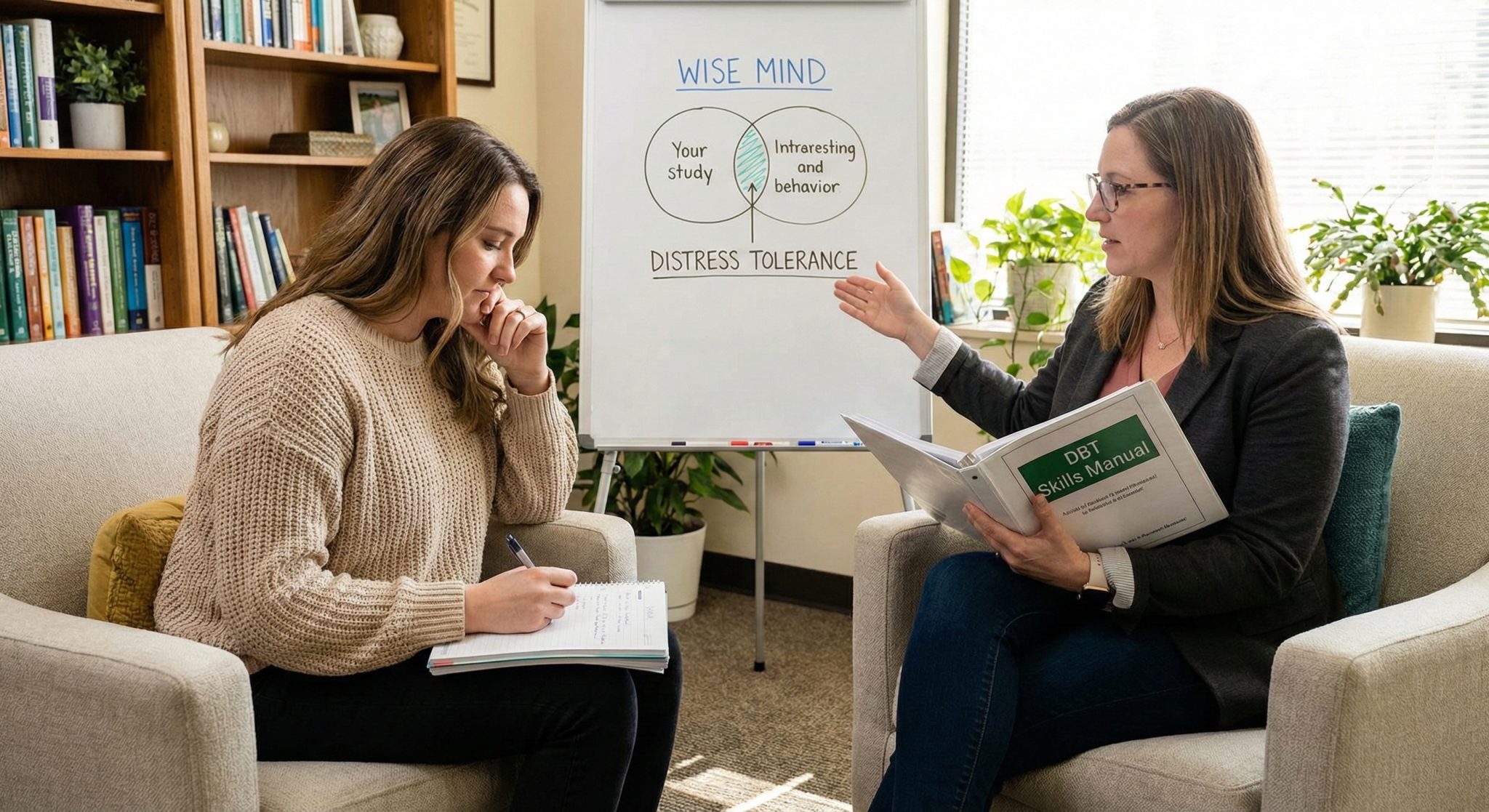
- DBT for emotional regulation and distress tolerance
- CBT for thought pattern restructuring
- Trauma-informed approaches to address underlying causes

Dual Diagnosis Capability
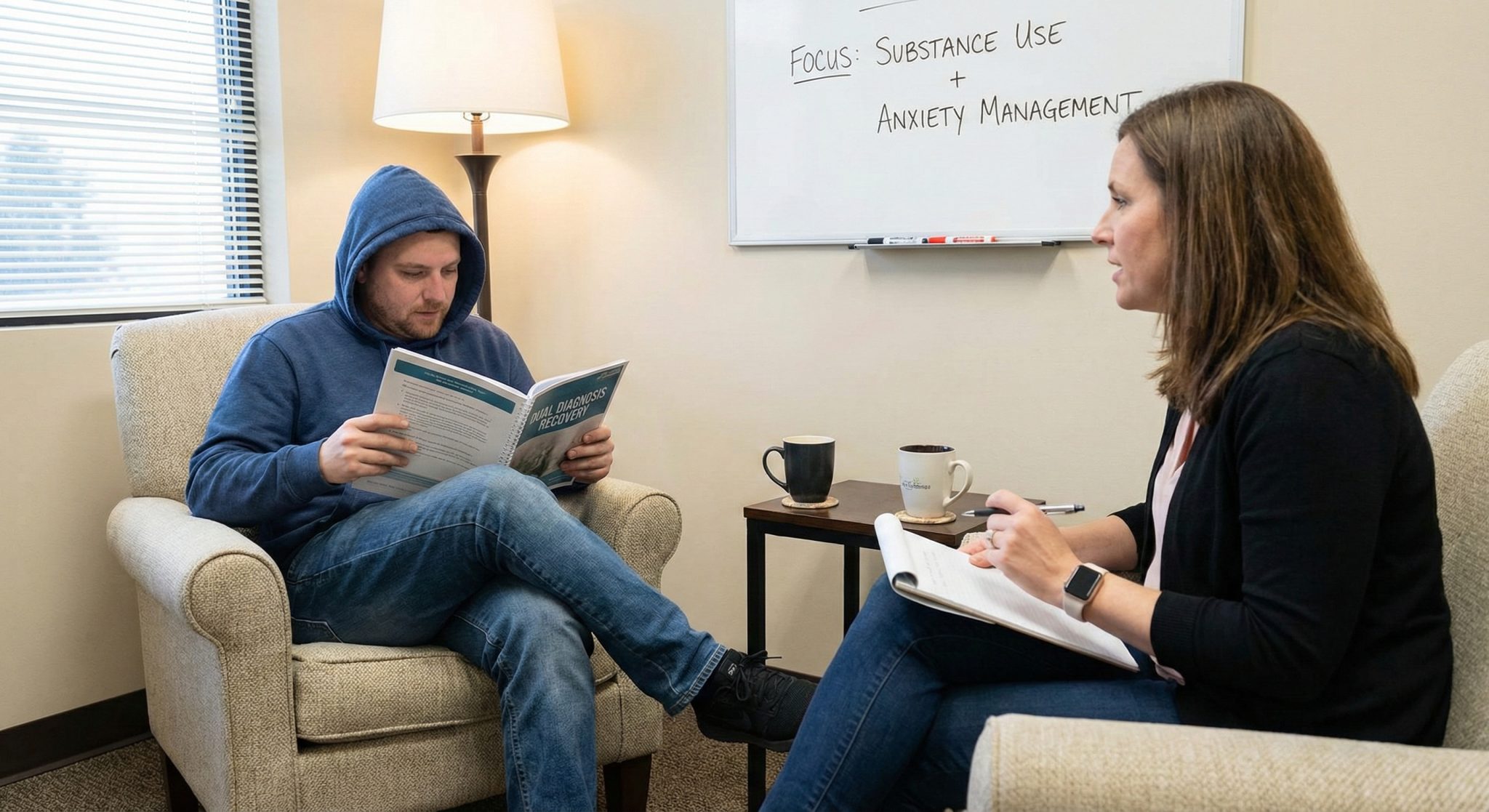
Many individuals with personality disorders also struggle with substance use. Integrated treatment improves outcomes significantly.

Psychiatric Support
Medication management can help stabilize mood, reduce impulsivity, and support therapy progress.

Structured Skill Building
Programs should include group therapy, coping skills training, and real-world application.
Continuum of Care
The ability to transition into outpatient or ongoing support is essential for long-term success.
Personality Disorders We Treat
We provide support for a range of personality disorders, including:
Borderline Personality Disorder (BPD)
Narcissistic Personality Disorder
Avoidant Personality Disorder
Obsessive-Compulsive Personality Disorder
Dependent Personality Disorder
Understanding Borderline Personality Disorder (BPD)
Borderline personality disorder is one of the most commonly treated conditions in our program.
It often involves:
Intense emotional swings
Fear of abandonment
Unstable relationships
Impulsive behaviors
Self-harm or suicidal ideation
Our DBT-informed approach is specifically designed to help individuals with BPD build stability and control.
Levels of Care for Personality Disorders
Treatment needs vary depending on severity and risk level. We help determine the most appropriate level of care and guide each client through the process.

Detox / Stabilization
For individuals experiencing substance use alongside personality disorder symptoms.

Residential Treatment (External Referral if Needed)
For individuals requiring 24/7 structured support.

Outpatient & Step-Down Care
For continued therapy, skill-building, and relapse prevention.
Dual Diagnosis: Personality Disorders & Addiction
Many individuals with personality disorders use substances to cope with emotional distress.
Without treating both conditions, relapse risk remains high.
Our program focuses on:
Identifying triggers for both substance use and emotional dysregulation
Building healthier coping mechanisms
Preventing relapse through structured support
Integrating therapy and recovery planning
What is a simple 3-step process to get started with Personality Disorder treatment?

Step 1: Reach out and share what’s going on
Call us or fill out our contact form to connect with our admissions team. You can share your symptoms, past diagnoses (like borderline personality disorder or other mental health disorders), and any safety concerns. We listen without judgment and answer your questions about care in Laguna Beach, CA.

Step 2: Get a personalized assessment and treatment plan
Next, you’ll complete an assessment with our clinical team. We look at your emotions, behaviors, relationships, substance use, and overall mental health. Based on this, we create a treatment plan just for you, which may include therapy, DBT skills work, psychiatry support, and step-down options like outpatient care.

Step 3: Begin treatment and build skills for recovery
Once your plan is set, you start treatment at Laguna Beach Detox. You’ll attend sessions, learn new coping and emotion regulation skills, and receive support from our staff every day. As you grow stronger, we help you plan for life after treatment so you can keep healing, stay safe, and move forward with more stability and hope.
Why Choose Laguna Beach Detox
We are not a one-size-fits-all program. Our care is designed for individuals who need both emotional stabilization and addiction support.
What sets us apart:
Strong focus on emotional regulation and DBT-based strategies
Integrated dual diagnosis treatment
Clinical and psychiatric support in one program
Personalized treatment planning
Supportive, structured environment
Seamless transition into continued care
Insurance & Admissions
We work with many major insurance providers and offer fast, confidential verification.
Our admissions team can:
Help coordinate next steps
Verify your insurance coverage
Explain your treatment options
Call now or submit a form to get started.
What are common questions about Personality Disorder treatment in Laguna Beach?
How is personality disorder treatment different from regular counseling?
Personality disorder treatment is more structured and focused than regular counseling. It looks at long-term patterns in your thoughts, emotions, and relationships, not just short-term problems. At Laguna Beach Detox, our team uses targeted approaches like dialectical behavior therapy and trauma-informed care to help with emotional dysregulation, impulsivity, abandonment fears, and other deep patterns. We also treat co-occurring issues like anxiety, major depressive disorder, addiction, and psychosis at the same time. This deeper, more complete approach gives you stronger tools for long-term recovery.
How long does treatment for a personality disorder usually take?
There is no “one-size-fits-all” timeline, but personality disorder treatment usually takes longer than treatment for a single anxiety or mood issue. Many people need several months of focused therapy to start noticing big changes in emotion regulation, coping, and relationships. At Laguna Beach Detox, we begin with an intensive phase of care and then often step down to outpatient or ongoing therapy to support you over time. The goal is steady progress, not quick fixes, so we move at a pace that keeps you safe and supported.
Can personality disorder treatment help if I also struggle with addiction or self-harm?
Yes. Many people with personality disorders also live with substance abuse, addiction, or self-harm urges. Our program in Laguna Beach is built for this kind of dual diagnosis care. We address cravings, withdrawal risk, and relapse prevention while also working on emotional pain, trauma, and unsafe coping behaviors. You learn healthier ways to handle stress, distress tolerance skills, and safer ways to manage strong emotions, so you don’t have to turn to drugs, alcohol, or self-harm.
Will I need medication as part of personality disorder treatment?
Medication is not required for everyone, but it can be very helpful for some people. Our psychiatry team may suggest medication if you have severe anxiety, major depressive disorder, mood swings, psychosis, or trouble sleeping. Medicine can ease certain symptoms so you can focus better in therapy and learn new coping skills. At Laguna Beach Detox, medication decisions are always made together with you, and they are paired with therapy and support—not used alone.
Does Laguna Beach Detox take insurance for personality disorder treatment?
Laguna Beach Detox works with many insurance plans and will check your benefits as part of the admissions process. Our team can review your coverage, including plans like Health Net and others, to see what parts of treatment may be paid for. We explain costs clearly and talk through options so care is as accessible as possible. If you’re unsure whether your plan covers personality disorder treatment, our admissions staff can walk you through it step by step.