
OCD Treatment in Laguna Beach, CA
OCD (obsessive-compulsive disorder) is an anxiety disorder that causes intrusive thoughts and strong urges to do certain actions or rituals. It is not your fault, and you are not “crazy.” With the right help, OCD can get much better.
At Laguna Beach Detox in Laguna Beach, CA, we use therapy, exposure-based treatment, medication, and caring support to help you face fears, reduce compulsions, and feel more in control of your life. You don’t have to fight OCD alone—specialized treatment can help you calm your mind and reclaim your days.
OCD Treatment in Laguna Beach, CA
What is OCD (Obsessive Compulsive Disorder)?
OCD is caused by a mix of brain chemistry, genetics, life stress, and sometimes past experiences.
It is linked to the way certain brain areas send and receive signals, especially those related to fear, danger, and doubt. If someone in your family has OCD or another anxiety disorder, your chances of having it can be higher.
Stress, trauma, or big life changes can also trigger symptoms. But OCD is never your fault. You did not “choose” these intrusive thoughts. They are symptoms of a real medical and mental health condition that can be treated with the right support.
How is OCD different from being neat or a perfectionist?
Many people say, “I’m so OCD” when they like things tidy or organized. But real OCD is very different. With OCD, intrusive thoughts feel scary or upsetting, and the person feels driven to do rituals or mental checks to feel safe.
These compulsions can take a lot of time and cause major stress. Being neat or liking order might feel good or satisfying. OCD usually feels uncomfortable, heavy, and out of control. Perfectionism can be part of OCD, but OCD is more than high standards—it is an anxiety disorder that needs proper treatment, like exposure therapy and structured support.
What types of OCD treatment we help with?
In Laguna Beach, we work with many different types of OCD that can show up in daily life. This includes contamination OCD (fear of germs or getting sick), checking OCD (locks, stoves, safety), symmetry or “just right” OCD, harm OCD (fear of hurting yourself or others), intrusive sexual or taboo thought OCD, religious or moral OCD (scrupulosity), hoarding OCD, relationship OCD (ROCD), health or illness OCD, and purely obsessional OCD (“Pure-O”), where most of the compulsions happen in your mind.
Each person’s OCD can look different, and we understand that symptoms often overlap across several of these types.
Contamination OCD (Fear of Germs or Getting Sick)
This type of OCD centers on a strong fear of germs, dirt, or getting sick. You might worry about touching doorknobs, using public bathrooms, or being near people who are ill. To cope, you may wash your hands over and over, clean your home for hours, or avoid certain places. At Laguna Beach Detox, we help you slowly face these fears in a safe way so you can live your life without constant cleaning and worry.
Checking OCD (Locks, Stoves, and Safety)
Checking OCD involves constant doubt about safety. You may feel a strong urge to keep checking locks, appliances, lights, or even emails and messages. Your mind might say, “What if I missed something and something bad happens?” These checks can take a lot of time and energy. We teach you skills to break the checking cycle, trust yourself more, and handle the anxiety without repeating the same actions.
Symmetry and “Just Right” OCD
With this type of OCD, things need to look or feel “just right.” You might line up items in a perfect way, repeat actions until they feel balanced, or get stuck on minor details. If something feels off, you may feel intense tension or anxiety. At Laguna Beach Detox, we help you learn how to tolerate that “off” feeling and reduce the need to fix, line up, or repeat everything so you can focus on what truly matters.
Harm OCD (Fear of Hurting Self or Others)
Harm OCD includes intrusive thoughts about hurting yourself or someone else, even though you do not want to. These thoughts are extremely upsetting and can make you doubt your own character. You might avoid knives, driving, or being alone with loved ones. We help you understand that these are anxiety-driven thoughts, not real desires, and use exposure-based therapy to reduce fear, guilt, and the urge to avoid everyday situations.
Sexual or Taboo Thought OCD
This type of OCD involves intrusive sexual, violent, or taboo thoughts that go against your values. You might worry that these thoughts mean something bad about who you are. They can cause shame, fear, and isolation. At Laguna Beach Detox, we provide a non-judgmental space where you can talk openly. We use evidence-based therapy to help you see these thoughts as OCD symptoms, not as reflections of your true self.
Religious or Moral OCD (Scrupulosity)
Religious or moral OCD, also called scrupulosity, makes you fear that you are sinning, breaking rules, or being a “bad” person. You might pray repeatedly, confess often, seek constant reassurance, or review events in your mind to see if you did something wrong. Our team helps you balance your faith or values with mental health. We teach you how to handle doubt, reduce rituals, and live by your beliefs without OCD running the show.
Hoarding OCD
Hoarding OCD involves a powerful difficulty throwing things away, even items that seem broken or unneeded. Letting go can cause intense anxiety or fear that you will “need it later” or make a mistake. Over time, this can clutter your home and affect safety and relationships. At Laguna Beach Detox, we help you slowly learn to sort, discard, and organize in a way that feels manageable, while treating the anxiety that sits underneath the hoarding behavior.
Relationship OCD (ROCD)
Relationship OCD focuses on obsessive doubts and fears about your romantic relationship. You might constantly question, “Do I really love my partner?” or “Do they truly love me?” and seek reassurance again and again. You may over-analyze every small interaction or compare your relationship to others. We help you challenge these OCD-driven doubts, build trust in yourself, and connect more deeply with your partner without endless checking and analysis.
How OCD Treatment Works Here (Step-by-Step)
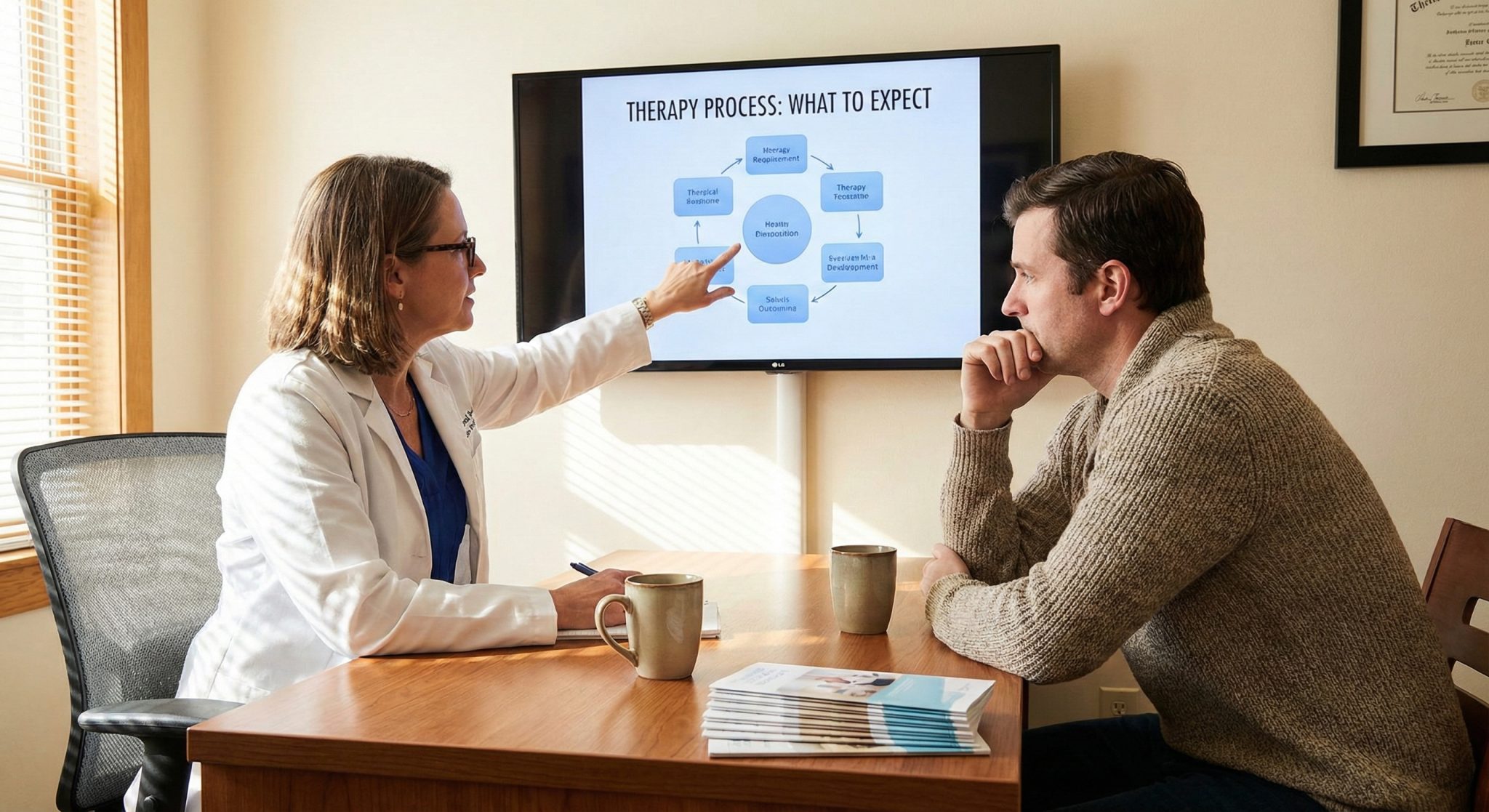
Step 1: Start With an OCD Assessment
We listen to what you’re dealing with and how it affects your day. We may use a simple OCD rating tool (like the Y-BOCS) to understand how strong your symptoms are.

Step 2: Make a Trigger List (Your “Hierarchy”)
Together, we list the situations, thoughts, or places that spark OCD. Then we rank them from “easier” to “harder,” so we can take steps at a safe pace.

Step 3: Begin ERP Therapy (Exposure Practice)
You slowly practice facing triggers on purpose, starting with the easier ones. You’re supported the whole time—this is not about forcing you.

Step 4: Response Prevention (Breaking the Compulsion Loop)
You learn how to not do the compulsion (checking, washing, reassurance, repeating, etc.). This is what helps your brain stop treating the trigger like danger.
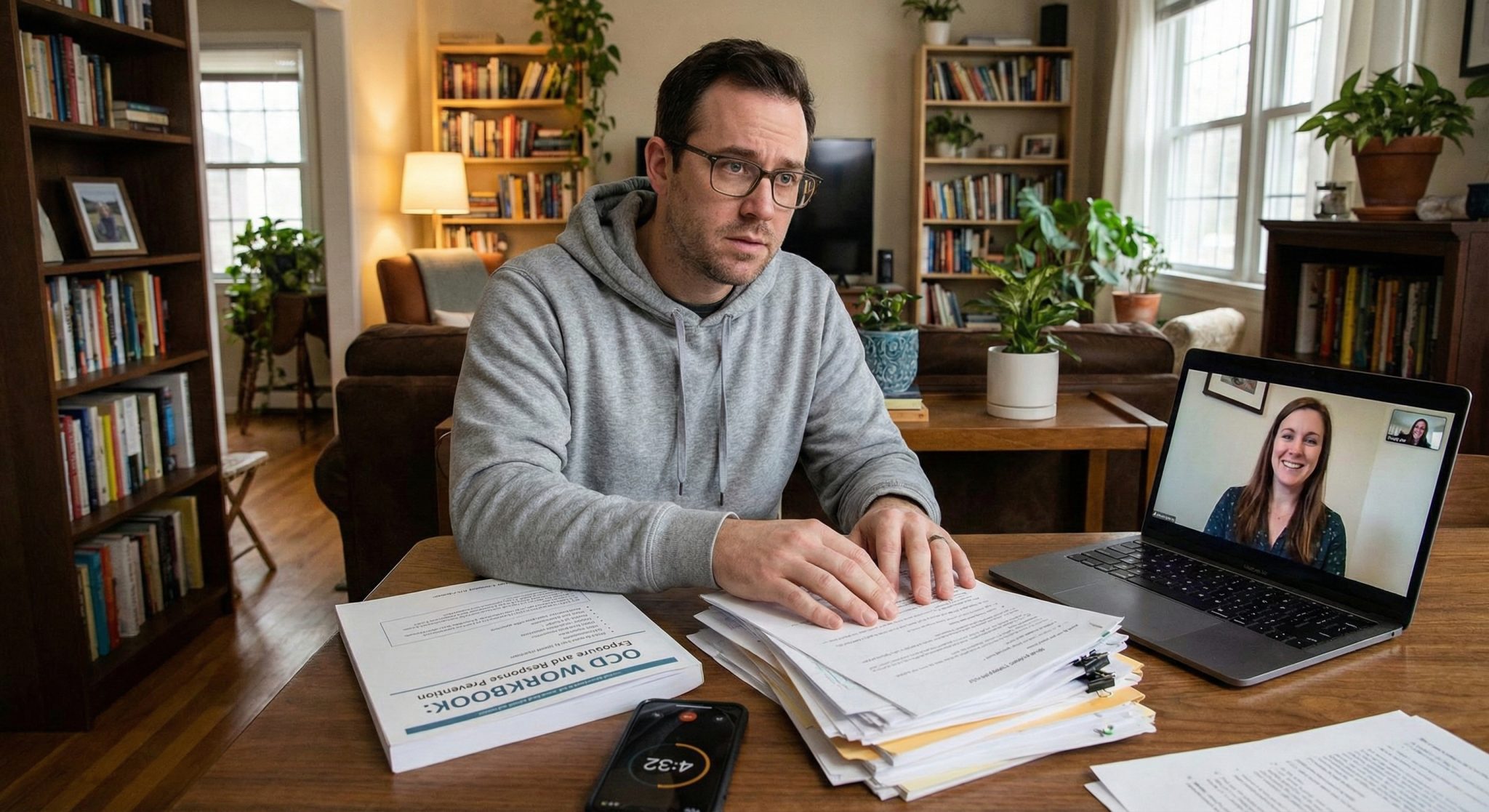
Step 5: Practice Between Sessions
You’ll do short ERP practice at home. We keep it realistic and track what worked, what didn’t, and what to adjust.

Step 6: Build a Long-Term Plan
Before you finish treatment, you get a plan for handling flare-ups, reducing avoidance, and keeping progress going.
When OCD Needs a Higher Level of Care
Some people with OCD can manage symptoms through weekly outpatient therapy. Others need a higher level of support, especially when intrusive thoughts, compulsions, avoidance, or anxiety begin to affect everyday functioning. OCD may require more structured treatment when symptoms interfere with work, school, relationships, sleep, self-care, or the ability to complete normal daily routines.
A higher level of care may be helpful when OCD takes up hours each day, causes repeated checking or washing, leads to intense reassurance-seeking, or makes it difficult to leave home, make decisions, or feel safe. Structured OCD treatment can also be important when symptoms appear alongside depression, panic attacks, trauma, substance use, or severe anxiety.
At Laguna Beach Detox, clients receive support in a structured environment where they can focus on stabilizing their mental health, reducing compulsive behaviors, and learning healthier ways to respond to OCD triggers. Treatment may include therapy, exposure-based support, medication management, daily structure, family education, and aftercare planning to support long-term progress.
OCD Treatment Levels of Care
OCD treatment should match the severity of a person’s symptoms, safety needs, and daily functioning. Some people need weekly therapy, while others benefit from a more intensive or structured treatment setting. Choosing the right level of care can help clients receive the right amount of support without feeling overwhelmed or under-supported.
| Level of Care | Best For | OCD Treatment May Include |
|---|---|---|
| Outpatient Therapy | Mild to moderate OCD symptoms | Weekly therapy, ERP-informed support, coping skills, and between-session practice. |
| Intensive Outpatient Program | Moderate OCD symptoms with a stable home environment | Several therapy sessions per week, relapse prevention, skills practice, and support reducing compulsions. |
| Partial Hospitalization Program | Significant OCD symptoms requiring daily support | Structured daily programming, individual therapy, group therapy, medication support, and exposure-based treatment. |
| Residential Treatment | Severe OCD, major impairment, or co-occurring mental health concerns | 24/7 structure, therapy, medication support, daily routine, and support for anxiety, depression, trauma, or substance use. |
| Medication Management | Moderate to severe OCD or high anxiety | Psychiatric evaluation, medication monitoring, and support alongside therapy. |
At Laguna Beach Detox, the treatment process begins with understanding each client’s symptoms, history, and goals. From there, the care team can help determine the level of support that may be most appropriate for OCD, anxiety, depression, trauma, substance use, or other co-occurring concerns.
Who Provides OCD Treatment at Laguna Beach Detox?
OCD treatment works best when care is guided by mental health professionals who understand intrusive thoughts, compulsions, avoidance, reassurance-seeking, and the OCD cycle. At Laguna Beach Detox, clients may work with a clinical team that can include therapists, medical providers, case managers, and support staff who help create a personalized treatment experience.
An OCD treatment plan may include a clinical assessment, therapy for intrusive thoughts and compulsive behaviors, exposure-based or ERP-informed support, medication evaluation when appropriate, and care for co-occurring conditions such as anxiety, depression, trauma, or substance use. Family education may also be included when it supports the client’s recovery.
The goal of treatment is to help clients feel understood, supported, and equipped with tools they can continue using after treatment. OCD is not a character flaw or personal weakness. It is a treatable mental health condition, and the right support can help people reduce symptoms and regain stability.
What Is the Goal of an OCD Intensive Treatment Program for Adults?
The main goal of an OCD intensive treatment program for adults is to reduce obsessive thoughts and compulsive behaviors so a person can regain control of their life.
More specifically, the goals include:
1. Reduce Obsessions
Help patients learn how to respond differently to intrusive thoughts without fear or panic.
2. Stop Compulsive Behaviors
Teach individuals to resist rituals and compulsions using structured Exposure and Response Prevention (ERP) therapy.
3. Lower Anxiety
Help reduce the intense anxiety that fuels OCD symptoms.
4. Improve Daily Functioning
Support adults in returning to work, school, and healthy relationships without OCD taking over their day.
5. Build Long-Term Coping Skills
Provide tools and relapse prevention strategies so patients can maintain progress after the program ends.
An OCD intensive program is not just about symptom relief. It is about helping adults rebuild confidence, improve mental health, and create lasting behavioral change.
With consistent therapy, professional guidance, and structured treatment, adults with OCD can experience meaningful recovery and improved quality of life.
What is a simple 3-step process to get started with OCD treatment?

Step 1: Reach out and share what you’re going through
Start by contacting Laguna Beach Detox by phone or through our website. You don’t need the perfect words—just tell us you’re struggling with intrusive thoughts, anxiety, or compulsive behaviors. Our team will listen, ask a few simple questions about your symptoms, and help you feel heard and understood from the start.

Step 2: Complete an OCD-friendly assessment
Next, we’ll schedule an assessment to learn more about you. We’ll ask about your OCD symptoms, how long they’ve been happening, your mental health history, and any other anxiety or mood issues. This helps us clearly understand what type of OCD you’re facing and how it affects your daily life at home, work, or school.
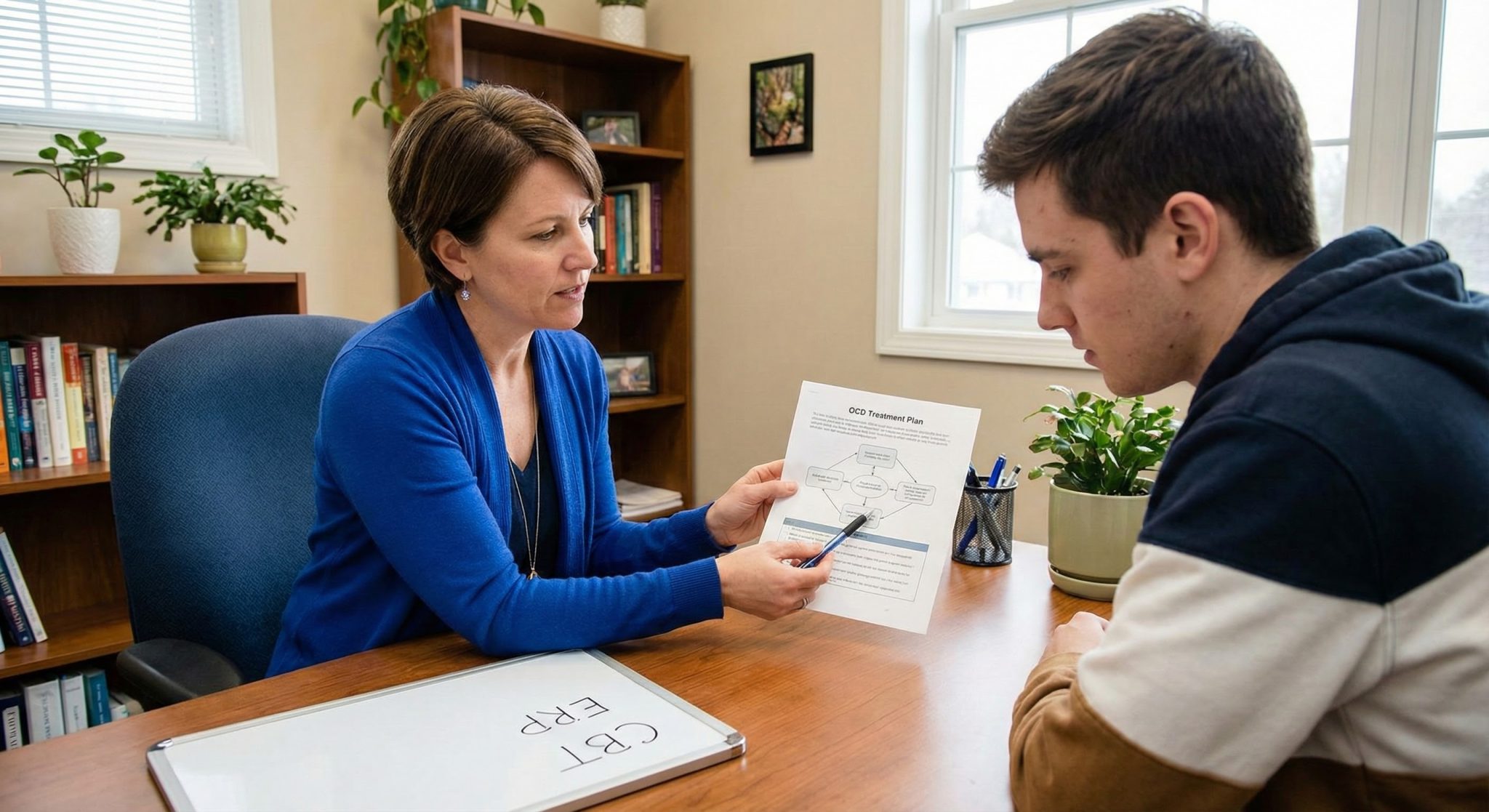
Step 3: Start a personalized plan and show up consistently
After the assessment, we’ll explain your options and outline a clear, step-by-step plan. Your part is to show up, be honest about how you feel, and practice the skills you learn. We’ll walk with you, adjust your plan as needed, and support you so you’re not facing OCD alone. Each step you take is progress toward a calmer, more manageable life.
What are common questions about OCD treatment in Laguna Beach?
At Laguna Beach Detox, we treat many types of OCD symptoms.
How do I know if I have OCD or anxiety?
OCD and anxiety can look similar because both can cause worry, fear, and stress. The difference is that OCD usually has two parts:
- Obsessions: unwanted thoughts, images, or urges that feel scary or “wrong”
- Compulsions: actions or mental rituals you do to feel safe or get relief (like checking, washing, repeating, counting, praying, or asking for reassurance)
With general anxiety, people often worry about real-life problems (money, health, work, family). With OCD, the worry often feels “stuck,” and the person feels pushed to do a ritual to reduce the fear. A licensed mental health professional can screen for OCD and help confirm what’s going on.
What is ERP and does it feel scary?
ERP (Exposure and Response Prevention) is a type of therapy made to treat OCD. In ERP, you practice facing triggers in small steps (exposures) while learning to resist compulsions (response prevention). Over time, your brain learns: “I can handle this feeling, and I don’t need a ritual to be safe.”
ERP can feel uncomfortable at first because you’re changing the OCD cycle. But it should not feel like you’re being forced. Good ERP is:
- planned
- gradual
- done with support
- based on your pace
Most people feel more confident as they build skills and see real progress.
How long does OCD treatment take?
There isn’t one exact timeline, because OCD severity and life stressors can differ. Many people see improvement within weeks to a few months when they do consistent ERP practice. Treatment length depends on things like:
- how severe symptoms are
- how long OCD has been present
- how often you meet (outpatient vs IOP/PHP/residential)
- how consistent practice is between sessions
- whether there are co-occurring issues (depression, panic, trauma, substance use)
Most people feel more confident as they build skills and see real progress.
Can OCD get better without medication?
Yes. Many people improve with therapy alone, especially with ERP-based treatment. Medication may help for some people, but it is not required for everyone.
Medication can be helpful if:
- OCD symptoms are moderate to severe
- anxiety is so high that therapy feels hard to start
- depression is also present
- sleep is very disrupted
- intrusive thoughts feel constant and overwhelming
The best approach is individualized. Therapy teaches skills that last, and medication (when used) can make it easier to use those skills.
Do you offer online OCD therapy in California?
Many programs offer online OCD therapy (telehealth) in California, including ERP-based care. Online therapy can be a good fit if you:
- have a busy schedule
- want support from home
- don’t live close to a clinic
- prefer privacy
- need consistent weekly sessions
Online ERP still includes a trigger hierarchy, exposures, response prevention skills, and between-session practice. Your care team should also confirm that telehealth is appropriate for your safety and symptom level.
Does insurance cover OCD treatment?
Insurance often helps cover OCD treatment, but coverage depends on your plan. Common factors include:
- in-network vs out-of-network benefits
- deductible and copays
- the level of care (outpatient, IOP, PHP, residential)
- required authorizations
A treatment center or provider can usually verify benefits and explain your expected costs before you start. It helps to have your insurance card ready when you call.
What if I have OCD and depression?
It’s common to have OCD and depression at the same time. OCD can be exhausting, and feeling stuck can lead to low mood, low energy, and hopelessness.
Treatment often works best when it addresses both:
- ERP for OCD symptoms
- therapy support for depression (sleep, routine, motivation, negative thinking)
- medication support when appropriate
When both are treated together, many people notice better energy, clearer thinking, and more ability to do ERP practice.
Can families help without making OCD worse?
Yes—family support can make a big difference, but it needs to be the right kind of support. Families can accidentally make OCD stronger through accommodation, such as:
- giving repeated reassurance (“You’re fine, you didn’t hurt anyone.”)
- checking things for the person
- helping them avoid triggers
- changing routines to prevent anxiety
Helpful family support looks like:
- learning what OCD is and how ERP works
- encouraging practice and progress
- staying calm during anxiety spikes
- using agreed-upon phrases like “I care about you, and I’m not going to feed OCD”
- celebrating effort, not perfection
Many programs include family education so loved ones know how to support recovery without reinforcing compulsions.