
Cocaine Detox Treatment in Laguna Beach, CA
Laguna Beach Recovery provides medically supervised cocaine detox and addiction treatment in Laguna Beach, California. Our program is designed for individuals who need a safe, structured environment to manage withdrawal and begin recovery with professional support. We offer 24/7 clinical supervision, dual diagnosis care, residential treatment, and aftercare planning to help clients transition from detox into long-term sobriety.
If you or a loved one is struggling with cocaine use, starting with a supervised detox program can reduce risks, improve comfort, and create a strong foundation for recovery.
Why Choose Laguna Beach Recovery for Cocaine Detox?
After detox, clients move into our residential inpatient treatment program, where the real work of healing begins. We create an individualized care plan tailored to each person’s unique needs, goals, and challenges.
24/7 medically supervised cocaine detox
Support for withdrawal symptoms and cravings
Dual diagnosis treatment for mental health conditions
Residential treatment after detox
Individualized recovery plans
Aftercare and relapse prevention planning
Private, supportive setting in Laguna Beach
Insurance verification and flexible payment options
What Is Cocaine Detox?
Cocaine detox is the first step in overcoming cocaine addiction. It involves clearing the drug from your system while managing withdrawal symptoms in a safe and controlled environment. Although cocaine withdrawal is often more psychological than physical, symptoms can still be intense and difficult to manage without support.
A structured detox program provides medical monitoring, emotional support, and stabilization before transitioning into ongoing treatment.
Signs You May Need Cocaine Detox
You may benefit from a supervised cocaine detox program if you are experiencing:
Frequent or heavy cocaine use
Strong cravings or inability to stop
Depression, anxiety, or mood swings
Sleep disturbances or fatigue
Withdrawal symptoms when not using
Co-occurring mental health conditions
Previous relapse after trying to quit
Seeking professional detox support can significantly improve safety and outcomes during early recovery.
What are some Cocaine Symptoms?
Cocaine withdrawal can vary in intensity depending on usage patterns, overall health, and mental health conditions. Common symptoms include:

Intense cravings
Strong urges to use cocaine can occur during withdrawal, especially in the early stages, increasing the risk of relapse without structured support.

Anxiety and Irritability
Increased anxiety and irritability are common, making it difficult to relax or manage everyday stress without professional support.

Depression/Low Mood
Many individuals experience a significant drop in mood during withdrawal, often feeling hopeless, unmotivated, or emotionally numb as the brain adjusts without cocaine.

Sleep Disturbances or Insomnia
Many individuals experience a significant drop in mood during withdrawal, often feeling hopeless, unmotivated, or emotionally numb as the brain adjusts without cocaine.

Fatigue and lack of energy
As stimulant use stops, the body often responds with extreme fatigue, leaving individuals feeling physically drained and mentally sluggish.

Increased Appetite
Cocaine suppresses appetite, so withdrawal often leads to a noticeable increase in hunger as the body begins to regulate itself again.

Difficulty Concentrating
Cognitive function may be impaired during withdrawal, making it hard to focus, make decisions, or complete simple tasks.
What Happens During Cocaine Detox
At Laguna Beach Recovery, cocaine detox is carefully monitored by trained professionals to ensure safety and comfort.
During detox, clients can expect:
Comprehensive clinical assessment
24/7 monitoring and support
Stabilization of mood and sleep patterns
Emotional and psychological support
Preparation for the next phase of treatment
Detox is not a complete treatment on its own. It is the first step in a longer recovery process that includes therapy and structured care.
Residential Treatment After Detox
Following detox, many clients transition into residential treatment for continued support. This level of care provides a structured environment where individuals can focus on recovery without outside distractions.
Residential treatment may include:
Individual therapy
Group therapy
Behavioral therapy approaches
Relapse prevention strategies
Life skills development
This step is essential for addressing the underlying causes of addiction and building long-term recovery habits.
Dual Diagnosis Treatment for Cocaine Addiction
Many individuals struggling with cocaine addiction also experience co-occurring mental health conditions such as depression, anxiety, or trauma-related disorders.
Dual diagnosis treatment addresses both substance use and mental health simultaneously. This integrated approach improves long-term outcomes by treating the root causes of addiction, not just the symptoms.
Aftercare and Relapse Prevention
Recovery does not end after detox or residential treatment. Aftercare planning is a critical component of long-term success.
Aftercare may include:
Ongoing therapy or counseling
Outpatient programs (PHP or IOP)
Support groups and community resources
Relapse prevention strategies
Continued mental health support
A strong aftercare plan helps individuals maintain sobriety and navigate real-world challenges after treatment.
How to Choose a Cocaine Detox Center in Laguna Beach
Not all detox programs offer the same level of care. When choosing a cocaine detox center in Laguna Beach, it is important to consider:
24/7 medical supervision and monitoring
Experience treating cocaine addiction
Dual diagnosis capabilities
Availability of residential treatment after detox
Individualized treatment planning
Safe, supportive environment
Insurance and payment options
Clear aftercare and discharge planning
Choosing the right detox center can make a significant difference in both short-term safety and long-term recovery success.
Cocaine Detox vs. Rehab: What’s the Difference?
Cocaine detox focuses on managing withdrawal symptoms and stabilizing the individual physically and emotionally. Rehab, on the other hand, addresses the deeper behavioral and psychological aspects of addiction.
Detox is the first step, while rehab provides the tools and support needed for lasting recovery. Most individuals benefit from completing both stages as part of a comprehensive treatment plan.
What Happens in Cocaine Detox (Step-by-Step: Day 1 → Discharge Planning)
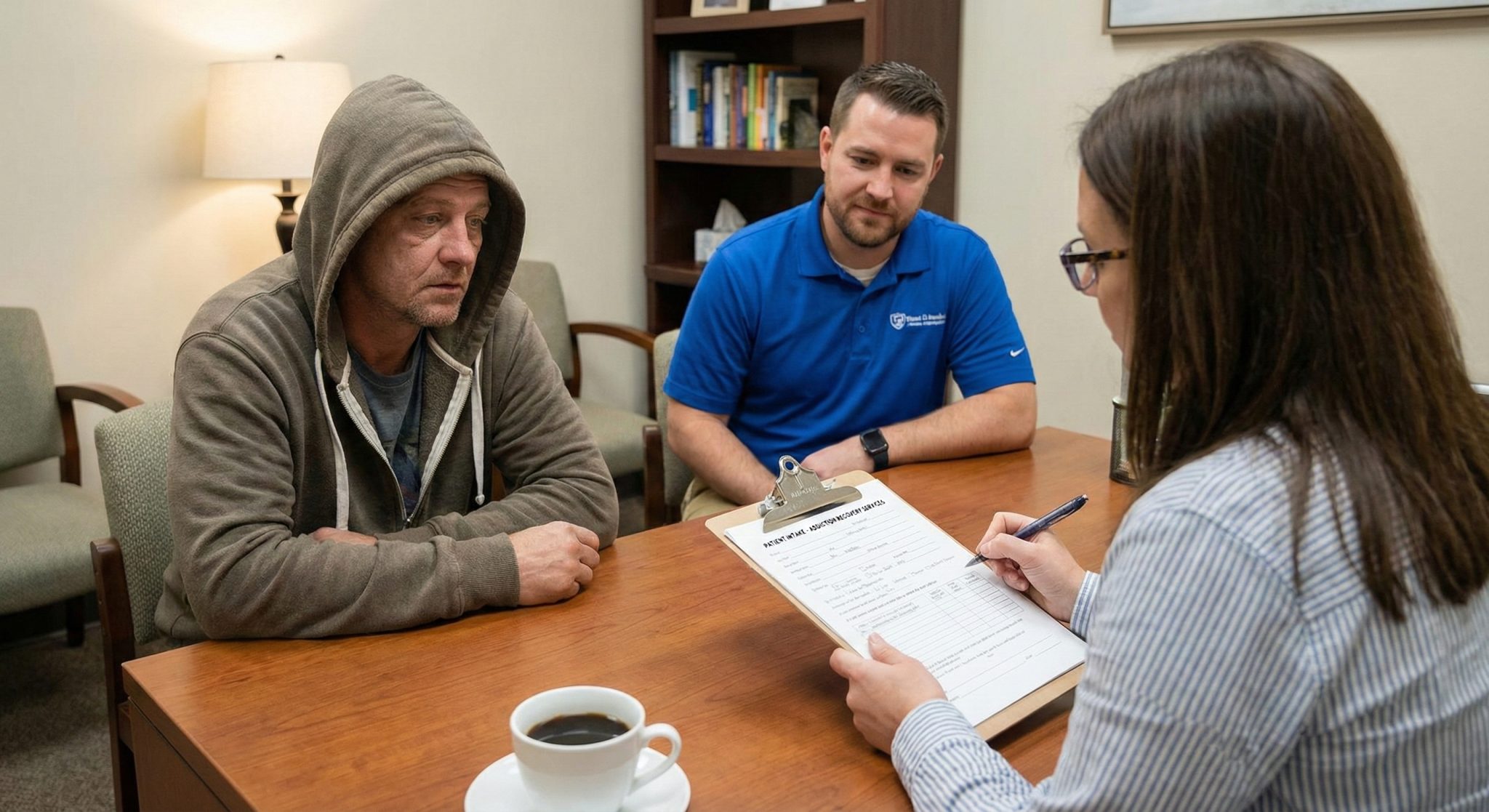
Day 1: Intake and Full Assessment
You’ll start with a full intake where the team learns your cocaine use history, last use, other substances used (like alcohol), medications, mental health symptoms, and any medical risks. This is also when you’ll talk about sleep, cravings, anxiety, depression, and safety—so your plan fits your real needs.

Day 1–2: Stabilization and Monitoring
Early detox focuses on getting you stable. Staff monitor your mood, sleep, appetite, hydration, and safety—especially if depression or suicidal thoughts show up. You’ll get support for discomfort and guidance to reduce triggers so the first wave of withdrawal feels more manageable.

Day 2–4: Symptom Support (Sleep, Mood, Anxiety, Cravings)
As your body adjusts, the focus is on steady routines: sleep support, calming tools, nutrition, hydration, and emotional care. If needed, medical or psychiatric providers may address symptoms like severe anxiety, agitation, or depressive symptoms with appropriate, symptom-targeted support.

Day 3–7: Early Therapy and Motivation Building
Detox is not only about “getting through it.” This is when many people begin short check-ins, psychoeducation, and early therapy support to understand triggers, cravings, and relapse patterns. The goal is to build momentum and a plan—because detox alone doesn’t solve addiction.

Discharge Planning: Next-Step Treatment (Step-Down Plan)
Before you leave detox, you should have a clear next step. That may include residential treatment, PHP, IOP, outpatient therapy, psychiatry support, and relapse-prevention planning. Discharge planning typically covers your triggers, coping tools, support system, follow-up appointments, and a plan for what to do if cravings hit hard.

After Detox: Ongoing Support and Aftercare
Recovery continues after detox. Many people do best with ongoing therapy, support groups, relapse-prevention strategies, and structured routines that protect sleep, stress levels, and mental health.
Areas We Serve
Laguna Beach Recovery provides cocaine detox and addiction treatment services for individuals throughout Southern California. While our facility is located in Laguna Beach, we regularly work with clients from nearby cities and across Orange County and Los Angeles County who are seeking a safe, supportive environment for recovery.
Orange County Areas We Serve
We frequently help individuals from:
Laguna Beach
Laguna Niguel
Dana Point
Aliso Viejo
Mission Viejo
Costa Mesa
Irvine
San Clemente
Huntington Beach
Our central Laguna Beach location offers convenient access while providing a private and calming setting for detox and treatment.
FAQs About Cocaine Detox Treatment in Laguna Beach, CA
How long does cocaine detox take?
Cocaine addiction treatment is a plan that helps you stop using cocaine, manage cravings, and rebuild your life. It often includes therapy, mental health support, relapse-prevention planning, and structured programs like outpatient or residential care.
Is cocaine detox dangerous?
While cocaine withdrawal is usually not physically dangerous, it can involve severe depression and cravings. Supervised detox reduces risks and improves safety.
Do I need detox before rehab?
Cocaine withdrawal is usually not as medically dangerous as alcohol or benzodiazepine withdrawal, but it can feel intense. People may have severe depression, anxiety, agitation, strong cravings, and sleep problems. Because suicide risk can increase during withdrawal, professional support is important.
Does insurance cover cocaine detox?
Many people feel tired, “down,” irritable, anxious, and unable to enjoy things. Some people sleep a lot, while others can’t sleep. Cravings can come in waves, especially when stress or triggers hit.
What happens after detox?
Laguna Beach offers a calm and supportive setting for addiction recovery. The coastal environment, professional treatment centers, and experienced clinical teams create a healing atmosphere. Many people choose Laguna Beach treatment programs because they combine evidence-based therapy, medical care, and a peaceful location that supports recovery.