
Compassionate, Evidence-Based Bipolar Disorder Treatment in Laguna Beach, CA
If you or a loved one is struggling with bipolar disorder, our Laguna Beach mental health program provides structured, medically supervised care designed for long-term stability. We specialize in treating Bipolar I, Bipolar II, and co-occurring substance use disorders in a safe, supportive environment.
Licensed clinicians
Dual diagnosis treatment
Insurance accepted
Bipolar Disorder Treatment in Laguna Beach, CA
What is Bipolar Disorder?
Bipolar disorder is a mental health condition that causes extreme mood swings, from very “high” (mania or hypomania) to very “low” (depression).
These shifts can affect energy, sleep, thinking, and behavior, making daily life, work, and relationships harder. It’s not just normal ups and downs, but a medical mood disorder that can be managed with proper treatment like therapy, medication, and support.
Signs You May Need Bipolar Disorder Treatment
Many individuals delay treatment until symptoms significantly disrupt their lives. You may benefit from professional care if you experience:
Extreme mood swings affecting relationships or work
Periods of depression followed by high energy or impulsivity
Risky behavior during manic episodes
Difficulty maintaining daily responsibilities
Co-occurring substance use
Early intervention significantly improves long-term outcomes.
What We Treat for Bipolar Disorder
What types of bipolar disorders do we treat in Laguna Beach?
At Laguna Beach Detox, we treat all major types of bipolar disorder, including Bipolar I, Bipolar II, and cyclothymia. We also help people who have bipolar disorder along with anxiety, ADHD, substance abuse, or other mental health conditions. Our team builds a custom plan based on your specific symptoms and needs.

Bipolar I Disorder
We treat Bipolar I for adults who experience full manic episodes, often with severe mood swings and major depression. Our team focuses on safety, mood stabilization, and building healthy coping skills for long-term recovery.

Bipolar II Disorder
We help people with Bipolar II who have hypomania (milder highs) and serious depressive episodes. Treatment aims to reduce mood swings, ease depression, and support daily functioning at home, work, or school.

Cyclothymic Disorder (Cyclothymia)
For cyclothymia, we treat long-lasting mood ups and downs that never fully reach mania or major depression. Our care helps smooth out these shifts and teach tools to manage emotions and stress.

Major Depressive Episodes
We support patients whose main struggle is intense, repeated depressive episodes. Treatment focuses on lifting mood, improving energy and sleep, and reducing the risk of self-harm or suicidal thoughts.

Anxiety or Panic Disorder
Many people have bipolar disorder plus anxiety or panic attacks. We treat both conditions together using therapy, medication support, and grounding skills to calm the body and mind.

ADHD (Attention Deficit Hyperactivity Disorder)
When bipolar disorder occurs with ADHD, it can be hard to focus, stay organized, or control impulses. We create a plan that addresses mood swings and attention issues at the same time.

Personality Disorder Traits
Some patients also have personality disorder traits, such as intense emotions and relationship problems. We use structured therapies like DBT-style skills to improve stability, communication, and self-control.

Postpartum Mood Symptoms
We help adults who experience bipolar mood episodes after pregnancy, including strong highs or lows. Treatment focuses on safety, mood balance, and support for parents adjusting to new stress and responsibility.
Levels of Care for Bipolar Treatment
We offer multiple levels of care based on individual needs:
Medical Detox (if substance use is involved)
Residential Treatment – 24/7 structured care
Partial Hospitalization Program (PHP) – Intensive daytime treatment
Intensive Outpatient Program (IOP) – Flexible ongoing care
This continuum ensures clients receive the right level of support at every stage of recovery.
How We Treat Bipolar Disorder?
Effective bipolar treatment requires a combination of medical and therapeutic interventions.
| Step | Treatment Component | What It Involves | Why It Matters |
|---|---|---|---|
| 1 | Comprehensive Psychiatric Evaluation | Full clinical assessment to determine bipolar type, symptom severity, history, and co-occurring conditions | Ensures accurate diagnosis and a personalized treatment plan |
| 2 | Medication Management | Use of mood stabilizers, antidepressants, or antipsychotic medications under medical supervision | Stabilizes mood swings and reduces severity of manic and depressive episodes |
| 3 | Evidence-Based Therapy | Structured therapies including Cognitive Behavioral Therapy (CBT), Dialectical Behavior Therapy (DBT), and individual counseling | Helps clients manage symptoms, regulate emotions, and change harmful thought patterns |
| 4 | Dual Diagnosis Treatment | Integrated care for individuals with both bipolar disorder and substance use issues | Treating both conditions together significantly reduces relapse risk |
| 5 | Relapse Prevention Planning | Development of personalized strategies to identify triggers, manage stress, and maintain long-term stability | Supports sustained recovery and prevents future episodes |
Bipolar Disorder and Addiction: Why Treating Both Together Matters
Bipolar disorder and substance use often feed into each other. Alcohol or drugs can make mood swings feel stronger and more unpredictable. Some substances can push the brain toward mania (risky choices, racing thoughts, little sleep) or deepen depression (low energy, hopelessness). Even when someone uses to “take the edge off,” it can quickly turn into a cycle that’s hard to break without support.
Many people with bipolar disorder use substances to cope with intense feelings, anxiety, or sleep problems. Others may use during depression to feel something, or during mania to “keep going.” This isn’t about weakness—it’s often a sign that symptoms are untreated or not stable yet. That’s why dual diagnosis care matters: treating bipolar symptoms and addiction together helps reduce triggers, stabilize mood, and lower relapse risk.
When both conditions are treated at the same time, care can include detox support (if needed), medication management, therapy, and relapse prevention skills. The goal is to help your body and brain settle down, build routines that protect sleep and stress levels, and create a plan for cravings and early mood changes—so you’re not trying to manage everything alone.
What are 3 simple steps to get started on treating Bipolar Disorder?
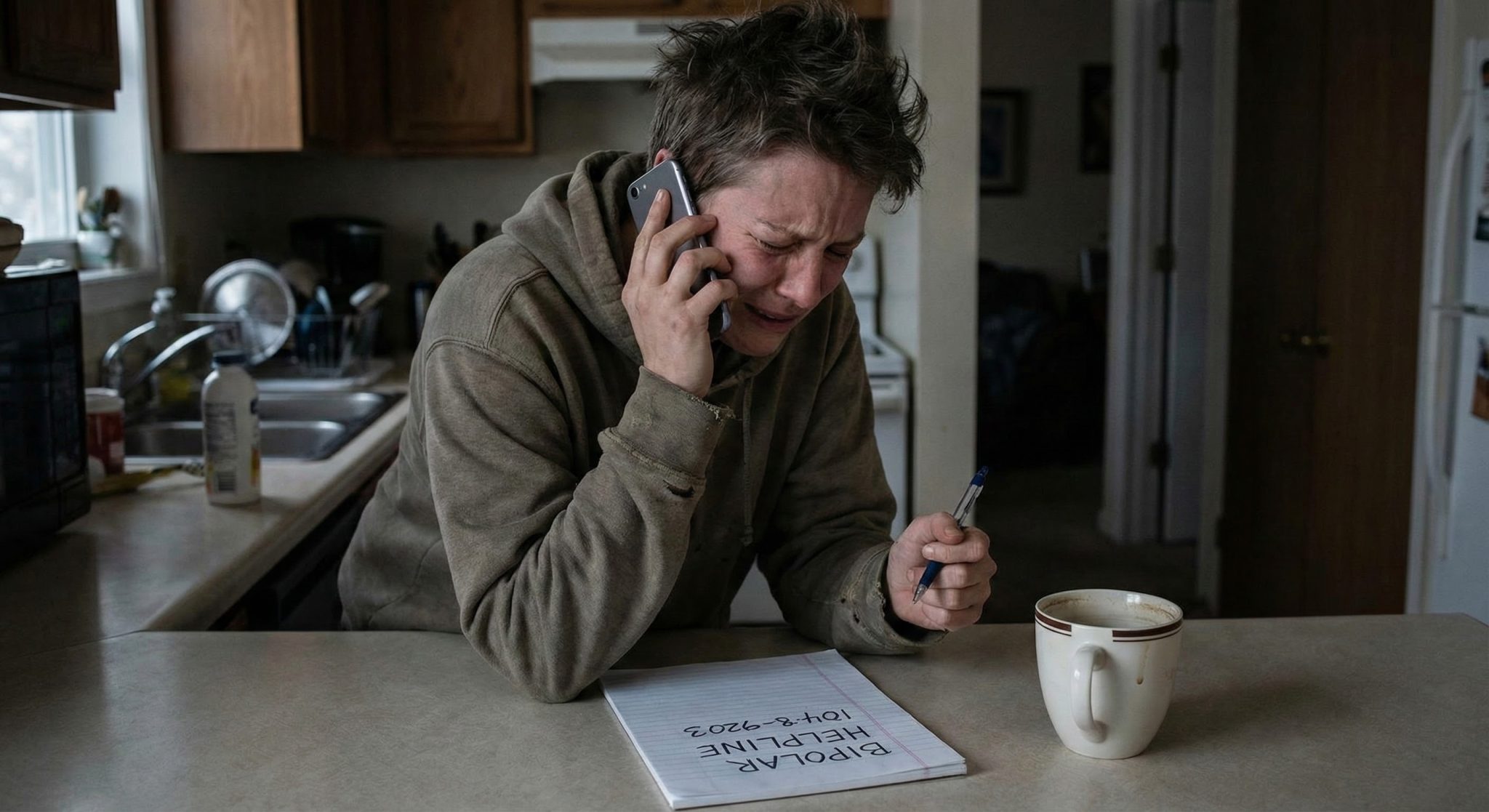
Step 1: Call and Get a Simple Evaluation
You start by calling Laguna Beach Detox. Our team listens to your story, reviews your symptoms, and checks for bipolar disorder, depression, anxiety, or substance abuse. Together, we decide what level of care (inpatient, PHP, or dual diagnosis) fits you best.

Step 2: Stabilize Your Mood With Treatment and Support
Next, you enter treatment, where we focus on safety and mood stability. This can include medication management, daily therapy, DBT-based skills, and support for any substance use. During this step, we help you calm the highs, lift the lows, and learn healthy coping tools.

Step 3: Build a Long-Term Recovery Plan
The third step is to show up and practice the tools you learn in therapy. This might include coping skills, meditation, grounding, or DBT and brainspotting techniques. Over time, you build healthy habits, gain confidence, and feel less controlled by anxiety. Our Laguna Beach community walks with you so you don’t have to do it alone.
Insurance Coverage
Most major insurance plans provide coverage for bipolar disorder treatment, including therapy, psychiatric care, and medication management. Our team works directly with your provider to verify benefits, explain your coverage in clear terms, and minimize out-of-pocket costs whenever possible. Because every plan is different, we offer fast, confidential insurance verification so you can understand your options before committing to treatment. Our goal is to remove financial uncertainty and help you or your loved one access care as quickly as possible.
What are common questions about Bipolar Disorder treatment in Laguna Beach?
At Laguna Beach Detox, we treat many types of bipolar disorder and related mental health concerns.
What is bipolar disorder treatment in Laguna Beach, CA?
Bipolar disorder treatment in Laguna Beach, CA helps individuals manage extreme mood changes, including episodes of depression and mania. Treatment usually includes a combination of psychiatric care, medication management, and therapy. Mental health professionals create personalized treatment plans to help stabilize mood, improve daily functioning, and support long-term recovery. Treatment programs in Laguna Beach often provide structured care in a calm coastal environment that supports healing.
What types of therapy are used for bipolar disorder treatment?
During your first visit, a caring team member will talk with you about your history, your feeling, and your goals. They may ask about anxiety disorder symptoms, past abuse or trauma, substance use, and other mental health issues like bipolar disorder, postpartum depression, or schizophrenia. This assessment helps us design a treatment plan that is right for you, using therapy, medication when needed, and support groups.
When should someone seek bipolar disorder treatment?
Someone should seek bipolar disorder treatment when mood swings begin to affect daily life, relationships, or work. Signs may include extreme mood changes, periods of high energy followed by deep depression, sleep changes, impulsive behavior, or difficulty functioning normally. Early treatment can help stabilize mood episodes and prevent symptoms from becoming more severe.
What medications are commonly used to treat bipolar disorder?
Psychiatrists often prescribe medications to help stabilize mood in people with bipolar disorder. These may include mood stabilizers, antipsychotic medications, and sometimes antidepressants depending on the person’s symptoms. Medication is usually combined with therapy and ongoing psychiatric care to help manage mood episodes and maintain long-term stability.
Why choose bipolar disorder treatment in Laguna Beach?
Many people choose bipolar disorder treatment in Laguna Beach because the area offers professional mental health care in a peaceful setting. Treatment centers often combine psychiatric services, therapy, and holistic support in a calm coastal environment. This setting can help individuals focus on recovery, reduce stress, and build healthy routines that support long-term mental wellness.
How long does treatment last?
Bipolar disorder is a lifelong condition, but it can be effectively managed with proper treatment.
Can bipolar disorder be cured?
Treatment length varies but typically ranges from 30 to 90 days depending on severity.